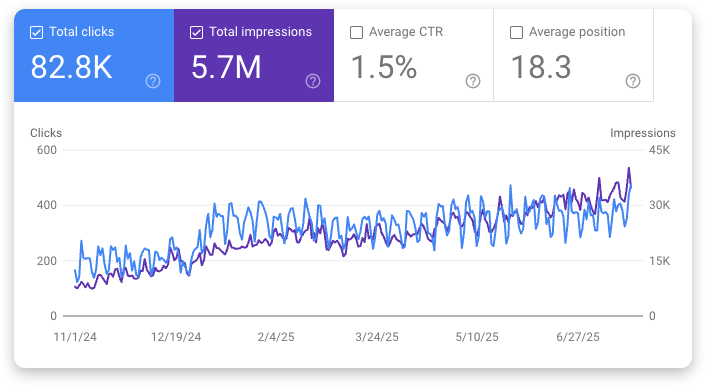
Picture this: you’ve invested in a state-of-the-art automated blogging tool, a sophisticated AI content writer for your business website. It’s churning out articles daily, stuffed with all the right keywords you meticulously researched. Yet, your keyword ranking automation reports are flatlining. Traffic is stagnant. You’re doing everything the SEO automation plugin promised, but your content is invisible. This frustrating scenario is a direct result of the “Entity Gap”—a fundamental misunderstanding of how modern search engines actually work, and it’s leaving countless automated SEO strategies out in the cold.
What is the Entity Gap and Why Does it Cripple SEO Automation?
For years, SEO was a game of keywords. The more you mentioned “small business SEO solutions in Worldwide,” the more likely you were to rank for it. That era is over. Search engines like Google have evolved into semantic understanding machines. They no longer just match strings of text; they understand entities—the real-world people, places, concepts, and things your content is about—and the relationships between them. This web of interconnected data is often called the Knowledge Graph.
The Entity Gap is the chasm between keyword-focused content and content that is rich in semantic context and clearly defines its subject matter as an entity. Most automated AI content writers are exceptionally good at the former. They can create grammatically correct, readable content that includes your target keywords. However, they often fail to build the conceptual relationships and provide the structured data that search engines need to truly understand your content’s meaning and authority.
Typical Scenario: A Worldwide-based bakery uses an automated blogging tool to generate posts about “best birthday cakes.” The AI writer produces articles listing different cake types, mentioning the keyword frequently. However, it fails to connect the bakery as an entity—a specific, local business with an address, reviews, and a unique menu. A competitor, who manually creates content that links their cakes to local events, includes structured data for their address and recipes, and talks about their head baker (another entity), establishes stronger entity signals. As a result, the competitor ranks higher, especially in local and AI-driven search results.
From Keywords to Concepts: How Search Engines See Your Content
Think of it like this: a keyword is just a word, but an entity is a fact. The keyword “Apple” is ambiguous. Are you talking about the fruit, the tech company, or a record label? An AI-powered search engine uses context to figure this out. It looks for related entities like “iPhone,” “Steve Jobs,” or “Cupertino” to understand you mean the company. This move from keywords to conversations is the core of semantic SEO.
SEO automation plugins that are not built with this principle in mind produce shallow content. They hit the keyword targets but miss the conceptual depth. This is why entity-based SEO is now considered a foundational layer of modern content strategy; it future-proofs your content because it aligns with how AI systems learn and retrieve information. Industry professionals recommend focusing on building topical authority through comprehensive content clusters rather than isolated, keyword-stuffed articles.
For small business SEO solutions, this is a game-changer. By establishing your business as a clear entity, you signal expertise and trustworthiness to search engines, making you the authoritative answer for relevant queries here in Worldwide.
If you are experiencing flatlining traffic despite using an automated content solution, the Entity Gap is likely the culprit. sica.ai can help evaluate your specific situation and determine if your content is building real semantic authority.
The Telltale Signs Your Automated Content Lacks Entity Depth
It can be difficult to diagnose an “entity” problem if you’re only looking at keyword reports. Experts in SEO WordPress plugins consistently find these red flags when analyzing underperforming automated content:
- No Rich Snippets in Search Results: Are your competitors’ search results showing star ratings, prices, or event dates while yours is just a plain blue link? This is a direct result of them using structured data (Schema markup) to define their entities, something many generic AI tools ignore.
- Ranking for Long-Tail Keywords Only: Your content might rank for very specific, low-volume phrases but fails to capture broader, more valuable terms. This often indicates search engines understand the words on the page but don’t see your site as an authority on the overarching topic.
- Poor Performance in Voice and AI Search: AI assistants and generative search features pull information from well-defined entities in the Knowledge Graph. If your automated AI content writer isn’t creating entity-rich content, you’ll be invisible in these increasingly important channels.
- High Bounce Rates: Users who arrive from a search expect comprehensive answers. Content that’s just a superficial arrangement of keywords often fails to satisfy user intent, causing them to leave quickly. This is a negative signal to search engines.
- Weak Internal Linking: A common mistake is creating a series of disconnected blog posts. A strong entity-based strategy involves a robust internal linking structure that creates content hubs, showing search engines the relationship between your pages and reinforcing your expertise on a core topic.
Bridging the Gap: How to Infuse Your Automation with Entity SEO
The good news is that you don’t have to abandon automation. You just need smarter automation. The goal is to shift from a simple content generator to an SEO content generator that understands and builds entities. This involves a multi-faceted approach that even small businesses serving Worldwide residents can implement.
1. Leverage Structured Data (Schema Markup)
This is the most direct way to speak the language of search engines. Structured data is code you add to your website to explicitly tell search engines what your content is about. An advanced GEO WordPress plugin or SEO plugin will often have features to help with this.
Insider Tip: Go beyond the basics. Don’t just add “LocalBusiness” schema. If you’re a restaurant, use “Restaurant” schema and add your menu. If you’re an author, use “Person” schema and link to the articles you’ve written. The more specific you are, the clearer the entity signal. Many popular SEO plugins like Yoast SEO, Rank Math, and AIOSEO offer robust schema implementation features.
2. Build Topic Clusters, Not Just Articles
Instead of writing one-off posts, think in terms of “pillar” content and “cluster” content. A pillar page is a comprehensive guide on a broad topic (e.g., “Small Business SEO Solutions”). Cluster pages are more specific articles that delve into sub-topics (e.g., “Local SEO for Cafes,” “Keyword Ranking Automation”) and link back to the pillar page. This structure demonstrates topical authority and helps search engines map your site’s expertise.
3. Prioritize a Smart Internal Linking Strategy
Every time you publish a new piece of content, it’s an opportunity to strengthen your entity map. An AI blogging tool should be able to suggest relevant internal links within your existing content. When you link internally, use descriptive anchor text that provides context. Avoid generic phrases like “click here.” This helps search engines (and users) understand the relationship between your pages.
4. Choose the Right AI Search Plugin for GEO
Not all automation tools are created equal. When evaluating a GEO plugin or an automated blogging tool for your Worldwide business, ask if it incorporates semantic SEO principles. Does it help with schema markup? Does it suggest internal linking opportunities? Does it perform entity gap analysis to see what concepts your competitors are covering that you aren’t?
An advanced SEO automation plugin should be a partner in building your authority, not just a word generator. For professional guidance on selecting the right tools for your business, contact the experts at sica.ai.
Local Expert FAQ for Worldwide Businesses
Worldwide-based professionals often have specific questions about implementing these advanced strategies. Here are some common ones we encounter:
- How does the Entity Gap specifically affect my local SEO here in Worldwide?
- For local businesses, establishing a clear entity is critical. Google needs to connect your business name with a physical address in Worldwide, a phone number, business hours, and customer reviews. An automated content writer that only focuses on keywords like “plumber in Worldwide” but fails to reinforce these core entity details through consistent data and structured markup will lose out to competitors who have a stronger, more verifiable local presence in the Knowledge Graph.
- Is there one SEO WordPress plugin that solves the Entity Gap?
- While there isn’t a single “magic” plugin, a combination of the right tools is key. A powerful all-in-one SEO plugin like AIOSEO or Rank Math is essential for on-page optimization and schema markup. However, to truly bridge the entity gap, you need a content optimization plugin or AI blogging tool specifically designed for semantic SEO, one that focuses on topical authority and entity relationships, not just keyword density.
- My business is service-based. What are the most important entities for me to build?
- Beyond your core business entity (Name, Address, Phone), focus on entities related to your services, service area, and expertise. For example, a Worldwide-based financial planner should build entities around “retirement planning,” “investment strategies,” and even key personnel (“Jane Doe, CFP”). Creating detailed service pages, location-specific pages, and author bios with appropriate schema markup helps search engines recognize you as a comprehensive authority in your niche.
Key Takeaways
- Search engines have evolved from keyword-matching to understanding real-world “entities” and the relationships between them.
- The “Entity Gap” is the failure of content to establish clear, context-rich entity signals, a common flaw in basic SEO automation tools.
- Relying solely on keyword-focused AI content writers can lead to shallow content that fails to rank for competitive terms.
- Bridging the gap requires a focus on semantic SEO, including structured data (schema), building topic clusters, and a smart internal linking strategy.
- For businesses in Worldwide, establishing a strong local entity with consistent name, address, and phone number information is crucial for visibility.
- Choosing an advanced content optimization plugin that understands entities is key to making your SEO automation effective.
- A successful strategy combines the efficiency of automation with the human insight needed to build true topical authority.
While we aim for accuracy, please verify details for your specific situation. For personalized advice and to discuss how these insights apply to your specific needs, we would love to chat with you directly.
Don’t let the Entity Gap leave your business behind. If you’re ready to move beyond simple keywords and build lasting authority with intelligent SEO automation, explore how sica.ai can transform your content strategy today.