Automatic Internal Linking: The “Secret Sauce” That Makes Your Blog Posts Support Your Main Sales Pages
In the ever-evolving landscape of digital marketing, internal linking stands out as a pivotal yet often underutilized strategy. Industry professionals recognize that a well-structured internal linking system not only enhances user experience but also significantly boosts SEO performance, guiding visitors seamlessly from informative blog content to main sales pages.
Understanding Internal Linking and Its SEO Significance
Internal linking involves creating hyperlinks that connect one page of a website to another page within the same domain. This practice serves multiple purposes:
- Enhanced Crawlability: Search engines utilize internal links to discover and index new pages efficiently. Studies indicate that internal links can improve indexing efficiency by up to 40%, facilitating quicker inclusion in search results. Metrics Rule
- Link Equity Distribution: Internal links distribute ranking power across a website, elevating the authority of key pages and improving their search engine rankings.
- Improved User Experience: Thoughtfully placed internal links guide users to relevant content, increasing engagement and reducing bounce rates.
The Challenges of Manual Internal Linking
While the benefits are clear, manually implementing internal links presents several challenges:
- Time-Consuming Process: Manually identifying and inserting internal links across numerous pages is labor-intensive and prone to human error.
- Inconsistency: Different content creators may apply linking strategies inconsistently, leading to a disjointed user experience.
- Missed Opportunities: Without a systematic approach, valuable linking opportunities may be overlooked, diminishing potential SEO gains.
Embracing Automation in Internal Linking
To address these challenges, many organizations are turning to automated internal linking solutions. These tools offer several advantages:
- Efficiency: Automation significantly reduces the time required to implement internal links, allowing for scalable strategies even on large websites.
- Consistency: Automated systems apply predefined rules uniformly, ensuring a cohesive linking structure throughout the site.
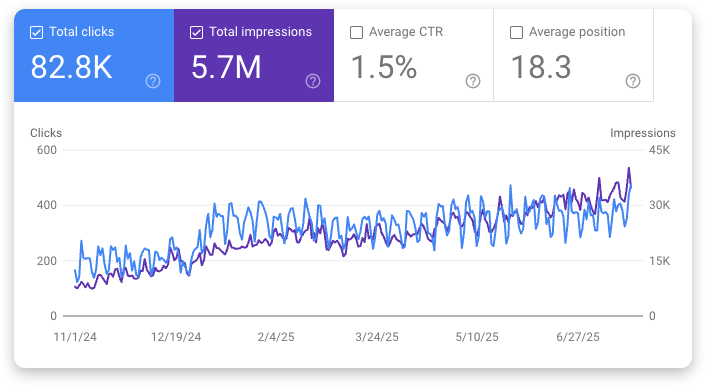
- Enhanced SEO Performance: By systematically distributing link equity and improving crawlability, automated internal linking can lead to substantial increases in organic traffic. For instance, a case study demonstrated a 47% increase in organic traffic within 90 days solely through AI-powered internal linking. Programmatic SEO Tools
Implementing Automated Internal Linking: Best Practices
To maximize the benefits of automated internal linking, industry experts recommend the following best practices:
- Define Clear Linking Strategies: Establish guidelines for anchor text usage, link placement, and target pages to maintain relevance and avoid over-optimization.
- Utilize AI-Powered Tools: Leverage advanced tools that analyze content contextually to suggest and implement relevant internal links. For example, platforms like AutoLink AI integrate with content management systems to provide real-time linking suggestions. AutoLink AI
- Regular Monitoring and Adjustment: Continuously monitor the performance of internal links and adjust strategies based on analytics to ensure ongoing effectiveness.
Potential Pitfalls and How to Avoid Them
While automation offers numerous benefits, it’s essential to be aware of potential pitfalls:
- Over-Optimization: Excessive use of exact-match anchor texts can appear spammy to search engines. To mitigate this, vary anchor texts and ensure they flow naturally within the content. Linkody’s Blog
- Technical Issues: Automated tools may encounter technical glitches, leading to improper link placements or broken links. Regular audits and choosing reliable tools can help prevent such issues.
Measuring the Impact of Automated Internal Linking
To assess the effectiveness of automated internal linking, consider the following metrics:
- Organic Traffic: Monitor changes in organic traffic to pages receiving new internal links.
- Keyword Rankings: Track the rankings of targeted keywords to evaluate improvements.
- User Engagement: Analyze metrics such as time on page and bounce rates to gauge user experience enhancements.
For instance, a case study revealed that implementing automated internal linking led to an 83% increase in page rankings, underscoring the strategy’s potential impact. LinkVector
Conclusion
Incorporating automated internal linking into your digital marketing strategy can serve as the “secret sauce” that seamlessly connects your blog content to main sales pages, enhancing both user experience and SEO performance. By adopting best practices and leveraging advanced tools, businesses can achieve significant improvements in organic traffic and conversion rates.
While we aim for accuracy, please verify details for your specific situation. For personalized advice and to discuss how these insights apply to your specific needs, we’d love to chat with you directly.